Headaches & migraines
When standard treatment hasn't worked, the source may sit in the jaw, bite, or airway. We help you find out.

- 3×board-certified
DABCP · DABCDSM · DABDSM. The only triple board-certified provider in Charlotte.
- 27+years
in practice, focused on TMJ, orofacial pain, and dental sleep medicine.
- In-house3D CBCT
and home sleep testing. No outside imaging referral needed.
- Blakeneysouth Charlotte
6235 Blakeney Park Drive, Suite 101, Charlotte, NC. 704.220.1930
Headache patterns that may have a craniofacial cause.
We don't replace your neurologist. We look for the patterns that suggest a dental, jaw, or airway contribution to headaches that haven't responded fully to medical management.
- Headaches that start at the temples, the back of the head, or behind the eyes
- Morning headaches, especially with grinding or jaw soreness
- Tension that radiates from the neck and shoulders up
- Headaches that worsen with chewing or clenching
- Migraines that have shifted in pattern or frequency
- Headaches paired with ear pain, fullness, or ringing
- Pain that responds partially but never fully to medication
- Sudden, severe, or new-pattern headaches need immediate medical attention.
What we can offer.
Treatment is always coordinated. We don't displace neurologic or medical care. We address the dental, jaw, and airway pieces.
- 01
Diagnostic-led evaluation
A thorough examination identifies whether the jaw, joint, muscles, or airway are a contributing factor.
- 02
Custom oral orthotics
An orthotic designed to reduce muscle load and joint stress during the day and night when those patterns are driving headaches.
- 03
Trigger point therapy
Targeted treatment of head and neck muscle knots that refer pain into the head.
- 04
Headache neural blocks
Dr. Larson performs a range of neural blocks for headache and facial pain, including occipital and TMJ blocks. These target the specific nerve pathway carrying the pain rather than treating it systemically. Whether a block is appropriate is decided case by case.
- 05
Sphenopalatine ganglion (SPG) blocks
An in-office option for certain facial pain and migraine patterns. Not appropriate for every patient; the decision is made case by case.
- 06
Cold laser therapy
Used during visits to support recovery in inflamed muscle and soft tissue.
- 07
Sleep-airway screening
When morning headaches are part of the picture, we screen for sleep-disordered breathing as a possible driver.
Treatment plans are built around what each patient actually needs. Not every option above is right for every person. The consultation and diagnostic visit are where we figure out which ones fit you.
Botulinum toxin for headaches and TMD.
For some patients with chronic migraine or muscle-driven jaw pain, botulinum toxin (commonly known by the brand name Botox) may be an appropriate part of care. It works by easing the overactive muscles that can drive head and jaw pain.
Chronic migraine
Botulinum toxin is an established, FDA-approved option for chronic migraine (roughly 15 or more headache days a month). We coordinate this care alongside your neurologist or physician.
Jaw and facial muscle pain
In select TMD cases, targeted injections may help calm the jaw muscles that contribute to clenching-related tension and pain. Whether it fits is decided case by case.
Botulinum toxin is never a first step. We start with a diagnosis and conservative care, and consider it only when it suits your specific pattern. Whether it is right for you depends on your history and exam.
Imaging that informs the plan.
Headache patterns often improve when we can see the joint, the muscles in action, and the airway together.
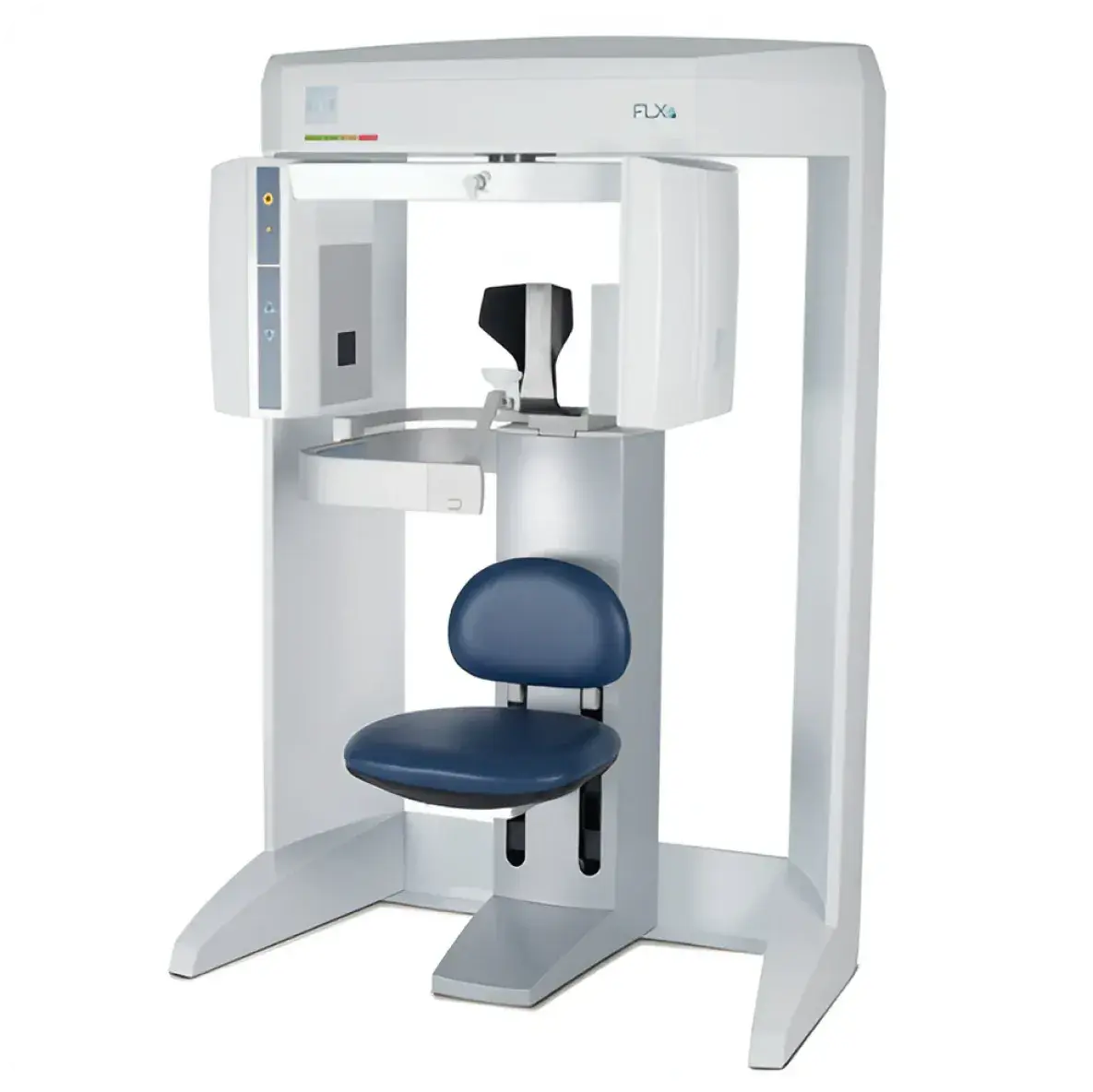
3D CBCT imaging
Cone-beam CT reveals jaw joints, airway, and bone in three dimensions. No outside referral needed.
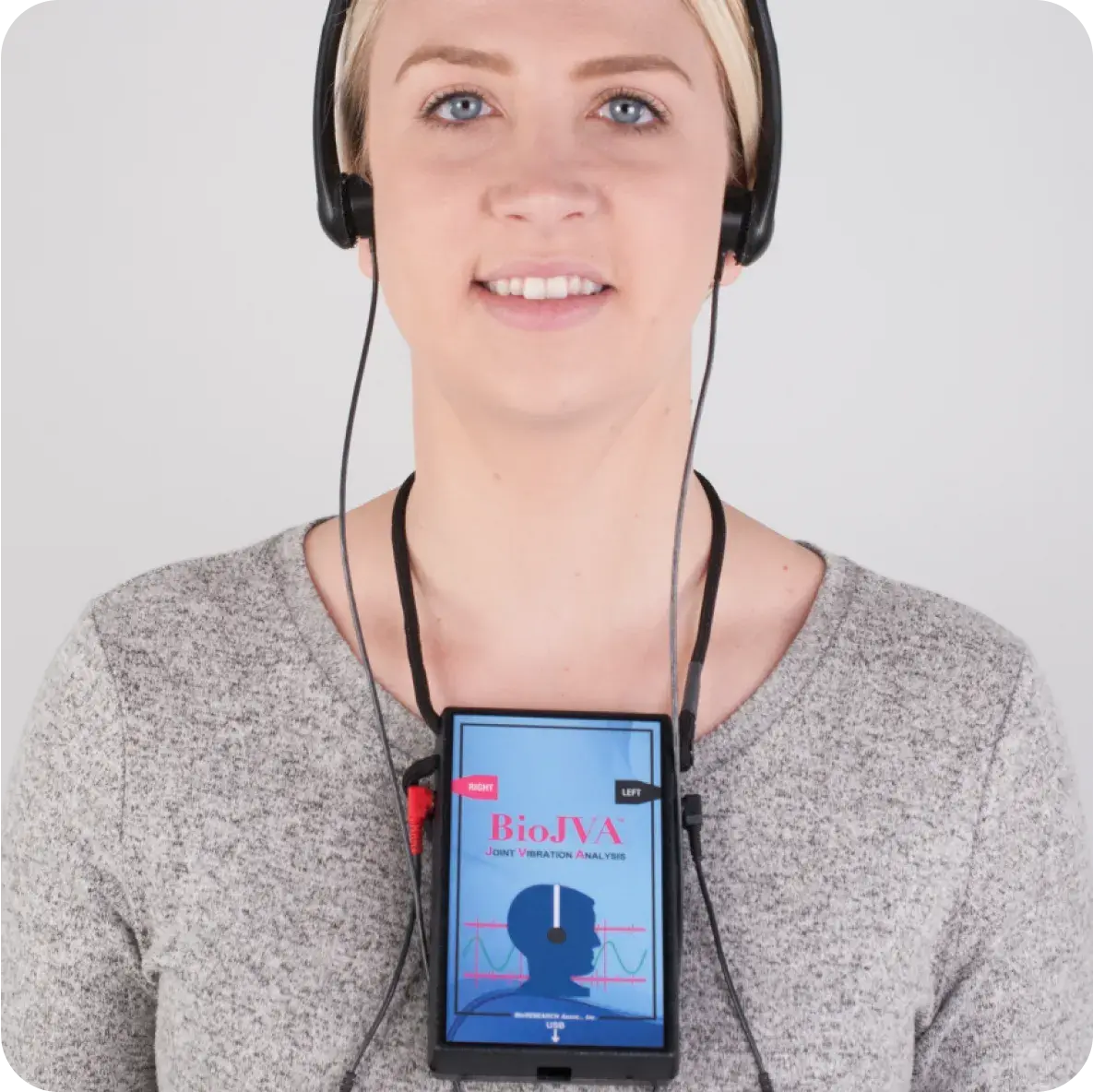
BioJVA joint analysis
Non-invasive joint vibration analysis records how the TMJ actually moves under load.
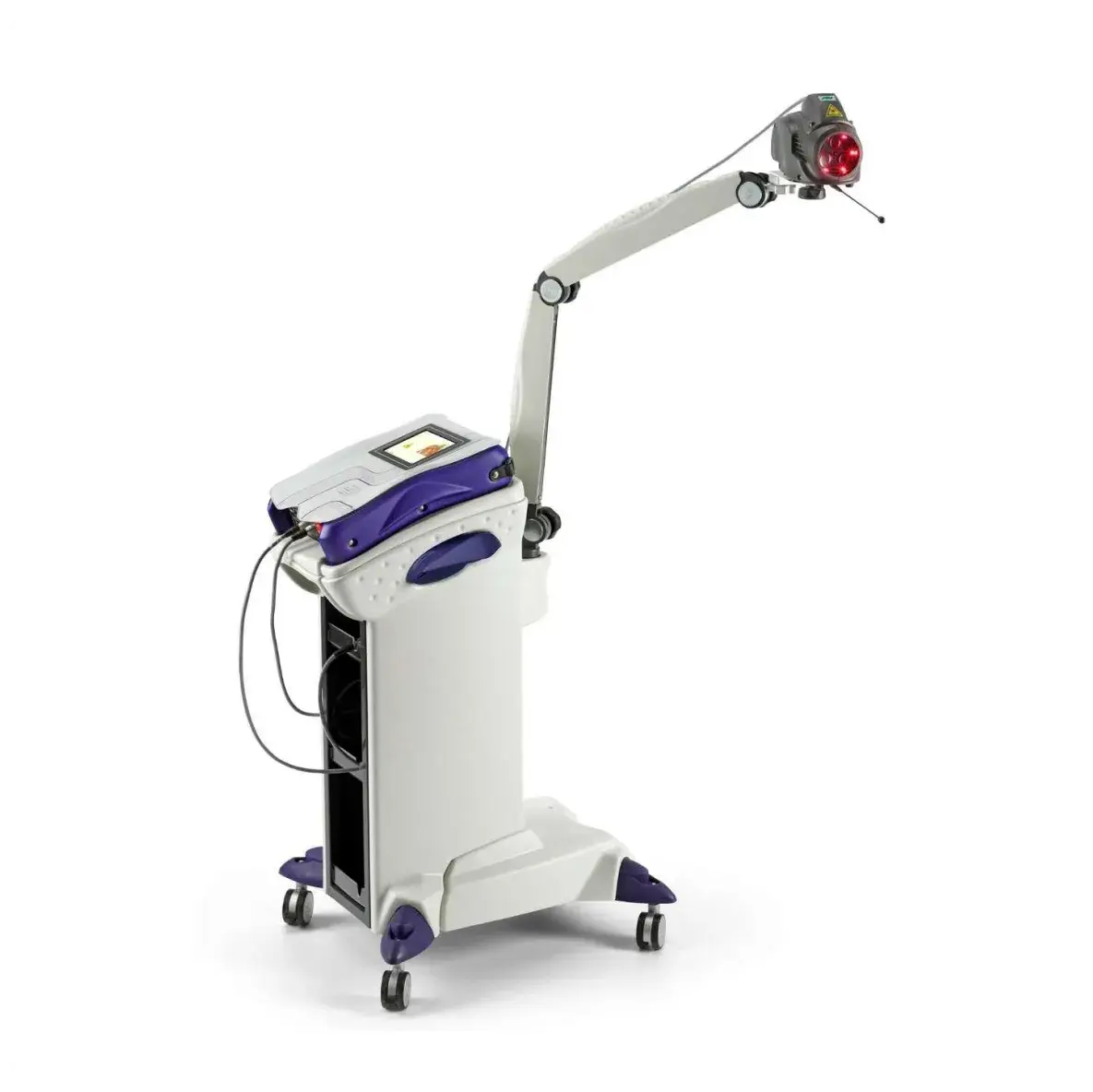
Cold laser therapy
Low-level laser therapy is used during care to support soft-tissue healing.
Dr. Larson on the jaw–headache connection.
When TMJ is the source
Ear pain with no infection
Common questions
It depends on what's driving them. Many migraines have a clear neurological pattern that needs medical treatment, and we don't replace that. But for some patients, jaw, bite, and airway factors are contributing. And addressing those can meaningfully reduce frequency and intensity. The honest assessment happens after a thorough evaluation.
No. We don't manage migraine medication. Your neurologist or primary care provider (PCP) does. Our work runs in parallel and is communicated to your other providers.
Some patients with clear bite-driven or muscle-driven headaches feel improvement within weeks of starting orthotic therapy. Migraine and complex chronic patterns typically take longer and may improve only in combination with continued medical care.
A sphenopalatine ganglion block is an in-office procedure where a numbing solution is applied to a nerve cluster behind the nose. It can provide relief in certain facial pain and migraine patterns. It is appropriate for select patients only.
Ready to find out what's actually going on?
Tell us a little about what you're experiencing. Our team will be in touch to schedule a consultation.