In-house diagnostics in Charlotte, NC.
A treatment plan is only as good as the diagnosis behind it. We invest in the 3D imaging and joint analysis most Charlotte clinics refer out, so the full workup happens under one roof at our Blakeney office.
- 3×board-certified
DABCP · DABCDSM · DABDSM. The only triple board-certified provider in Charlotte.
- 27+years
in practice, focused on TMJ, orofacial pain, and dental sleep medicine.
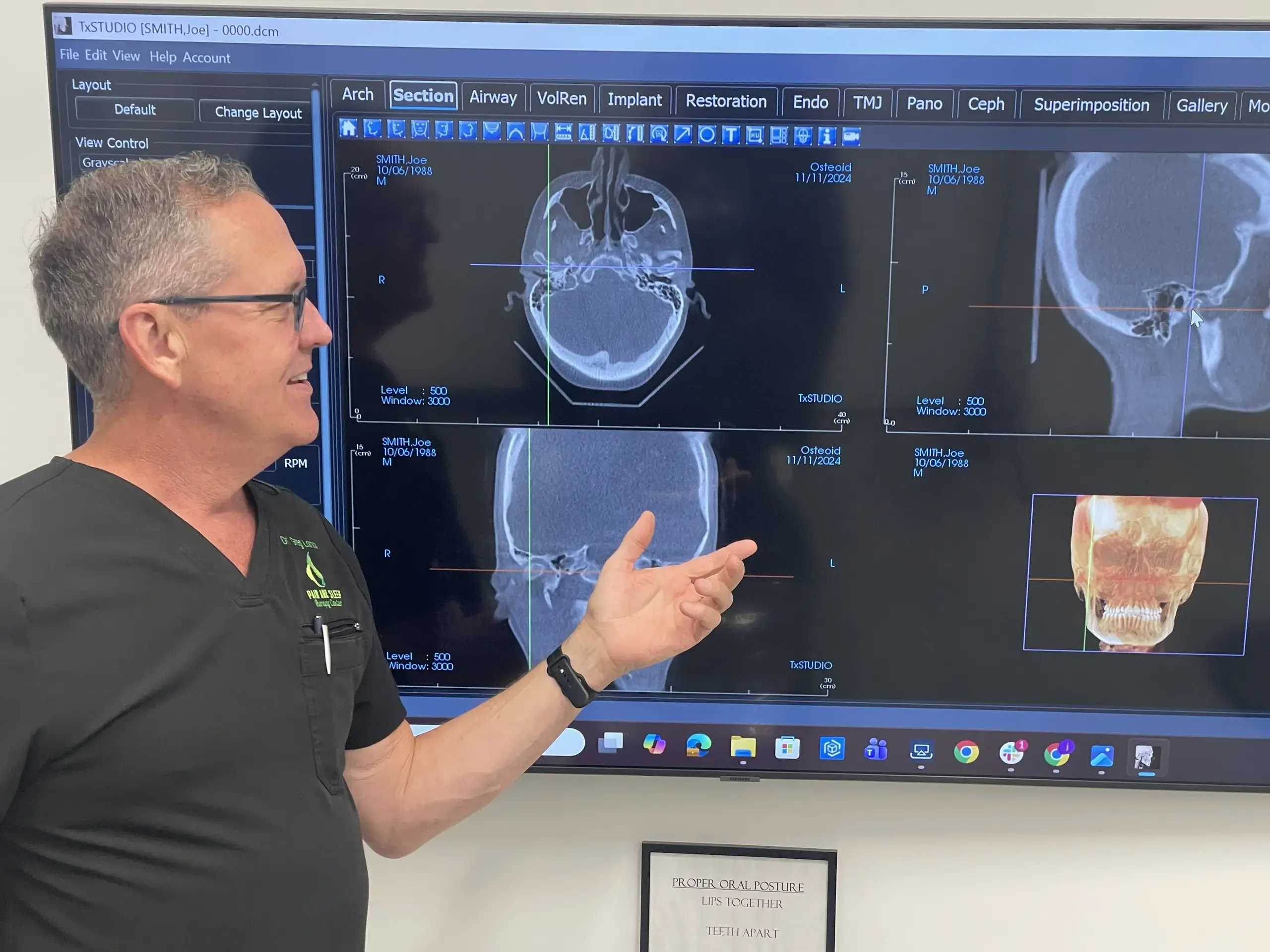
- In-house3D CBCT
and home sleep testing. No outside imaging referral needed.
- Blakeneysouth Charlotte
6235 Blakeney Park Drive, Suite 101, Charlotte, NC. 704.220.1930
 3D Imaging
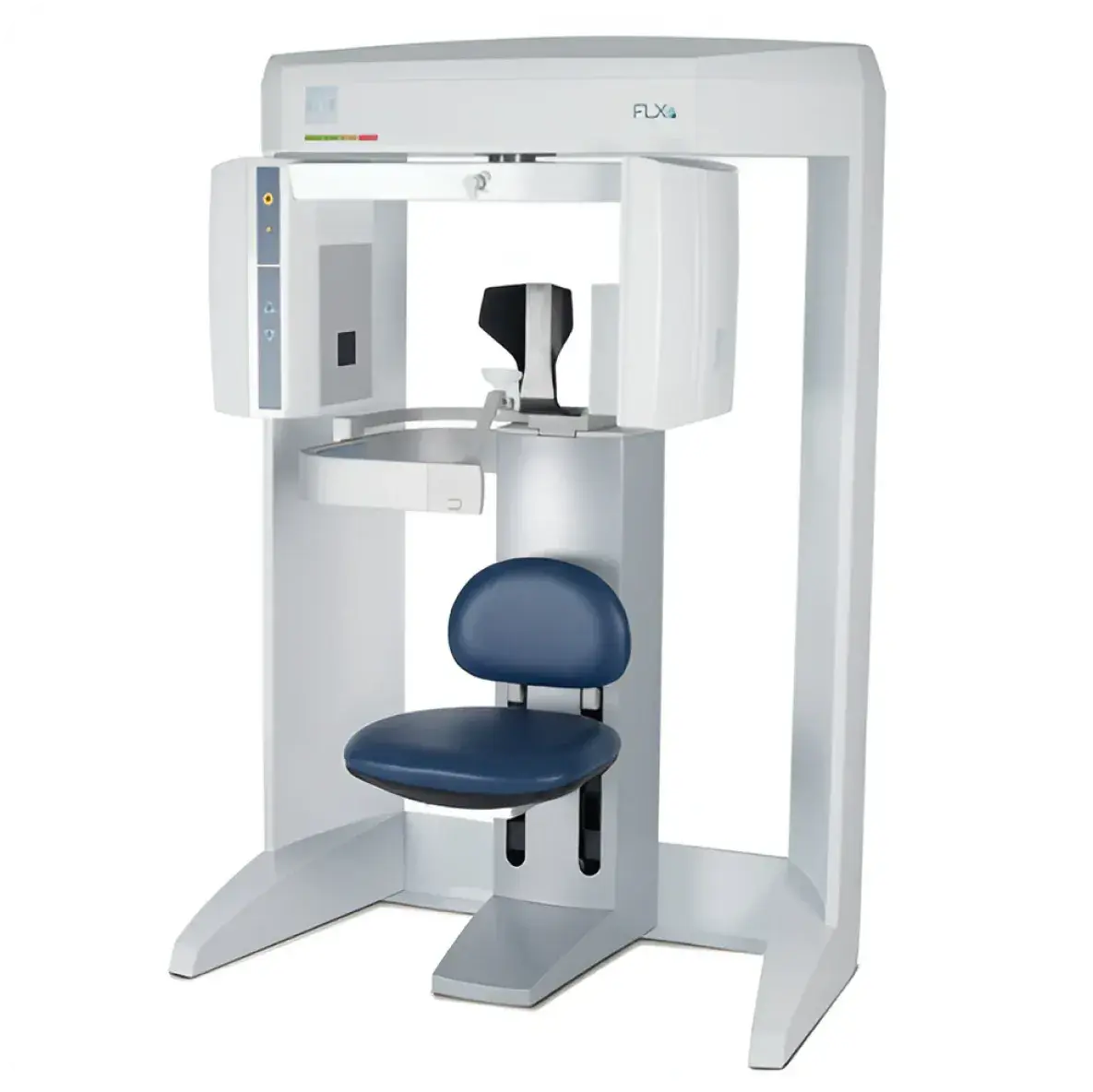
FLX cone-beam CT
Most general dentists refer out for 3D imaging. We don't. The FLX CBCT scanner produces high-resolution 3D images of the jaw, joint, airway, and surrounding bone in a single short visit, with substantially less radiation than a medical CT.
- See the TMJ in three dimensions, not just two
- Visualize the airway to identify anatomical contributors to apnea
- Plan orthotic, surgical, or coordinated medical care from real data
- Same-day imaging. No outside referral required
 Home sleep testing
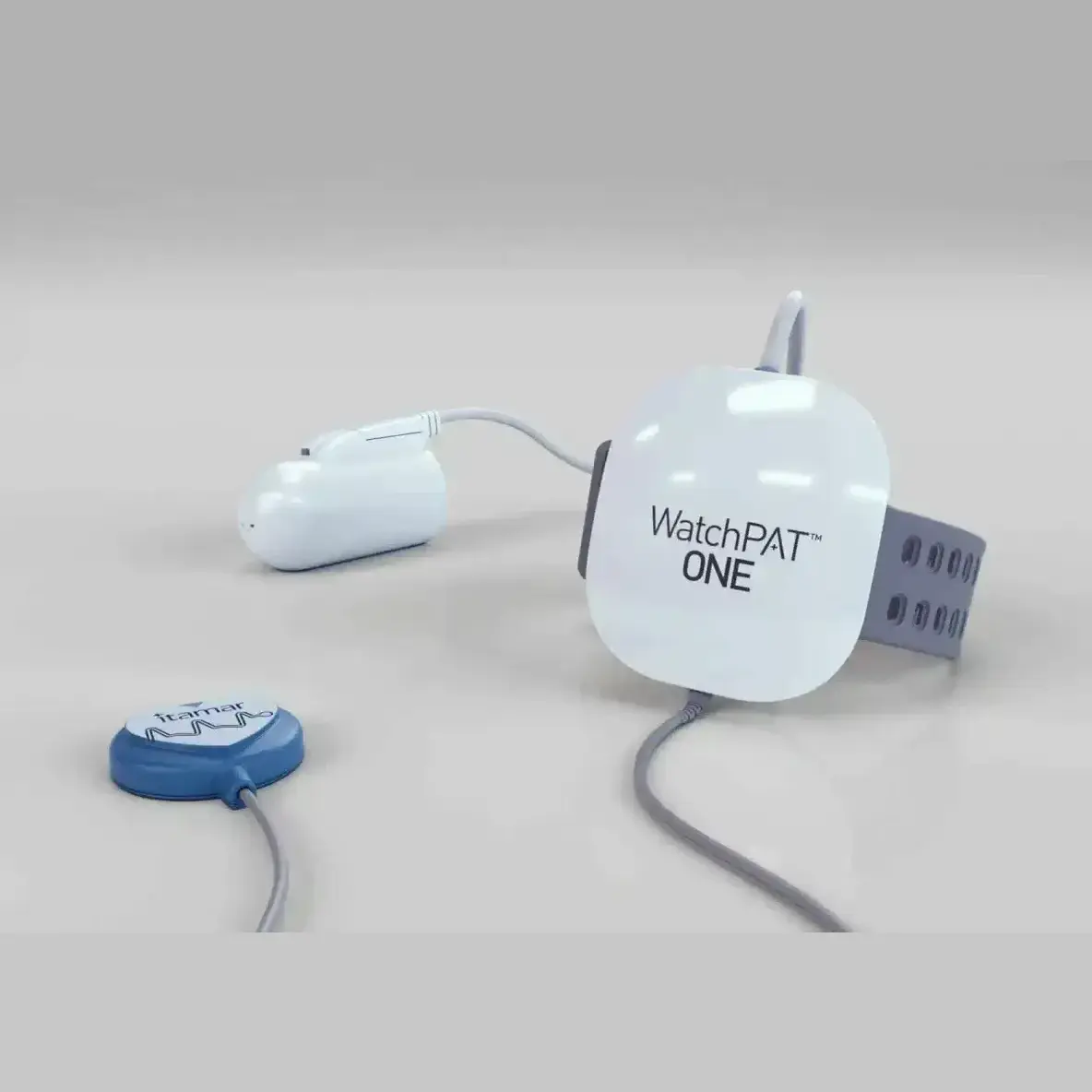
WatchPAT home sleep test
For suspected sleep apnea, the WatchPAT ONE records a full night's sleep in your own bed. A wrist unit, finger probe, and small chest sensor track blood oxygen, heart rate, snoring, body position, and actual sleep time. We coordinate the test through a licensed sleep physician, who reads the study and makes the diagnosis.
- Screen for sleep apnea at home, not in a sleep lab
- Tracks oxygen, heart rate, snoring, and body position overnight
- Comfortable, single-use device with nothing to return
- Read and diagnosed by a partnered sleep physician
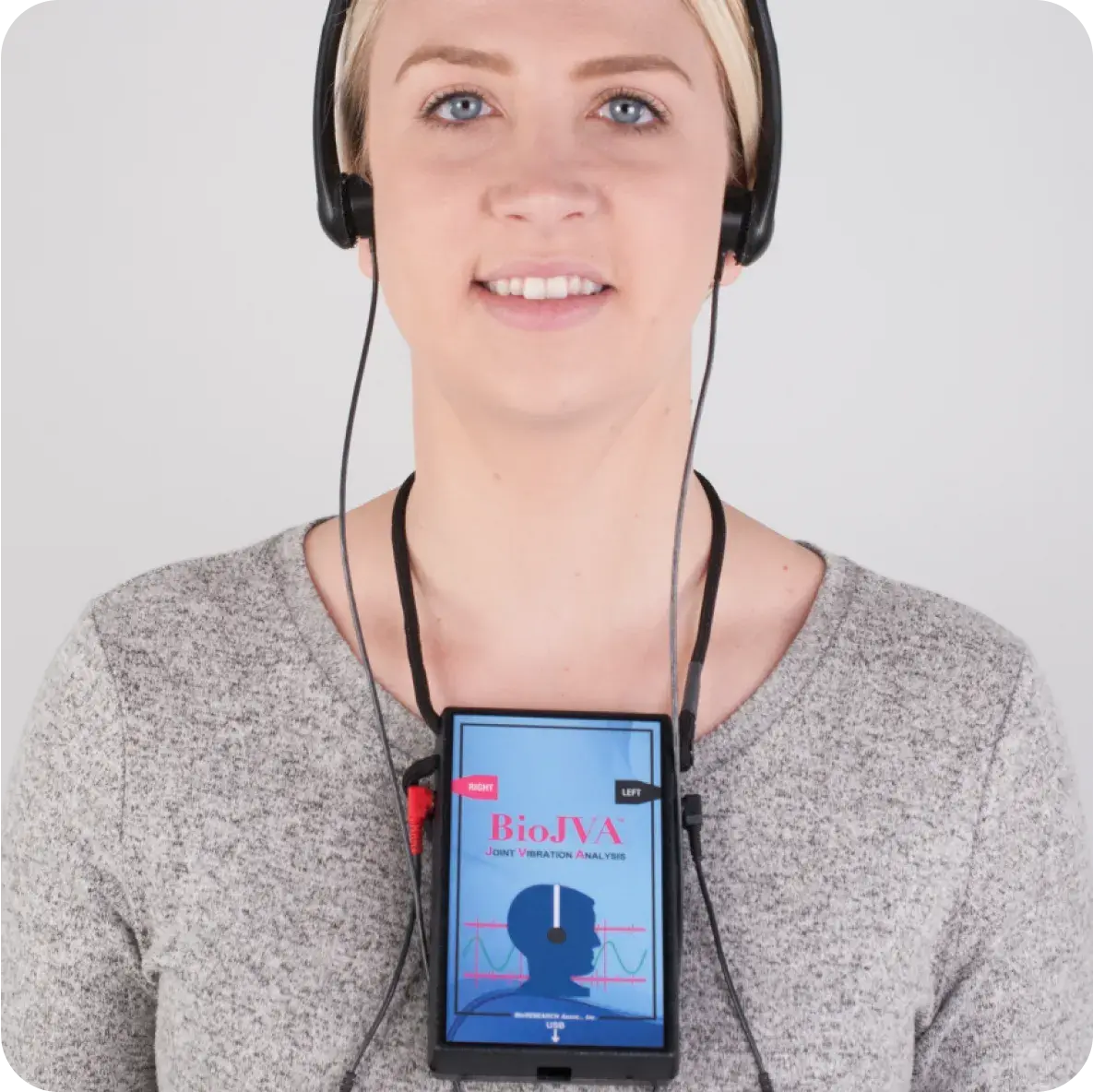 Joint analysis
BioJVA joint vibration analysis
BioJVA measures how the TMJ actually moves under load. The vibrations and friction signatures that indicate joint dysfunction. It's a non-invasive, in-office test that adds objective data to the clinical exam.
- Identify the joint patterns that imaging alone can miss
- Track changes over the course of treatment with the same measurement
- Document baseline joint function before starting orthotic therapy
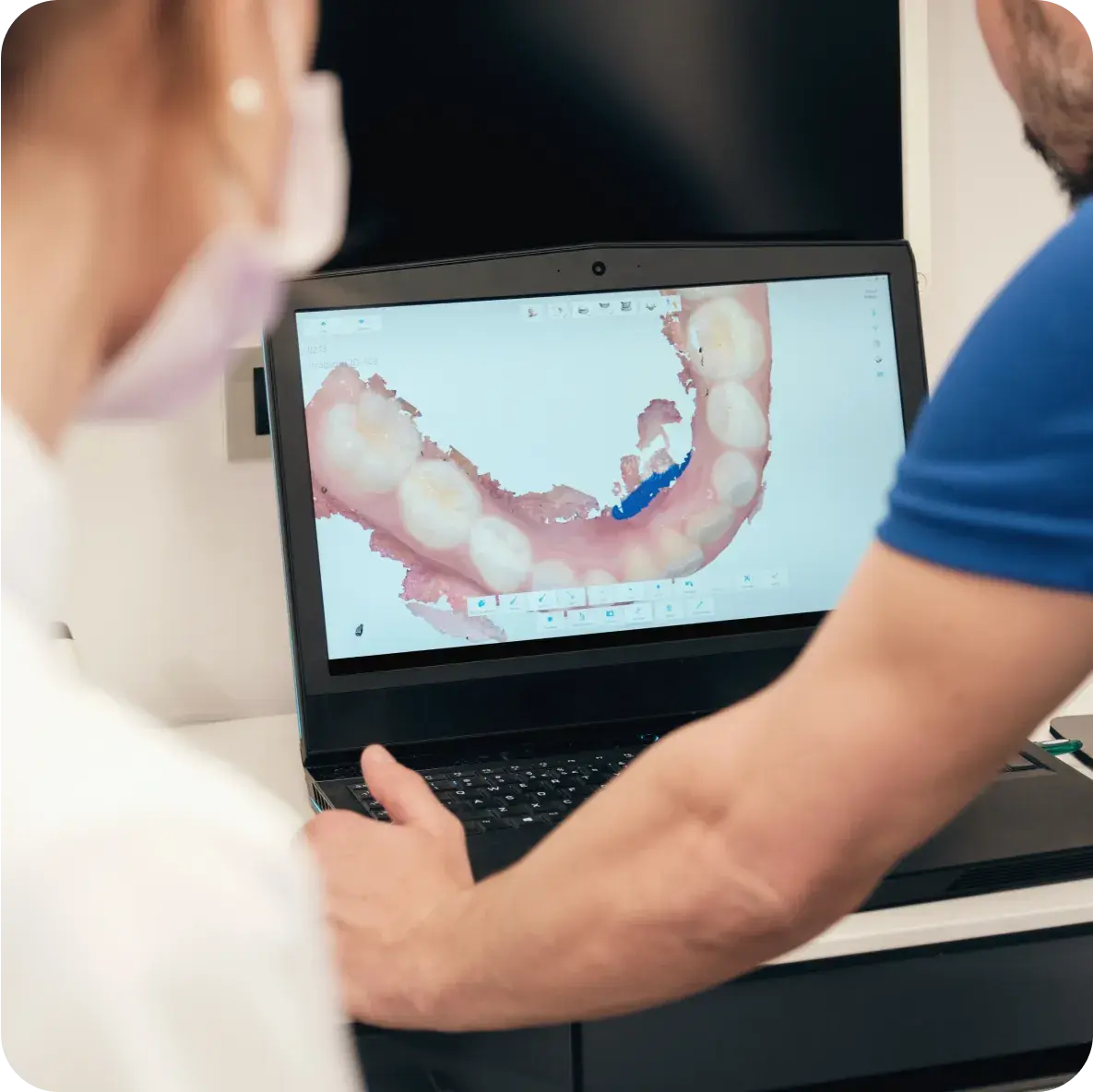 Digital impressions
Intraoral 3D scanning
Digital impressions replace the old putty-tray method. A small wand captures the teeth, bite, and soft tissue as a precise 3D file. Which becomes the basis for every custom oral orthotic we make.
- Comfortable. No setting putty or gag-reflex trays
- Precise to a fraction of a millimeter
- Digital file shared instantly with the lab for faster turnaround
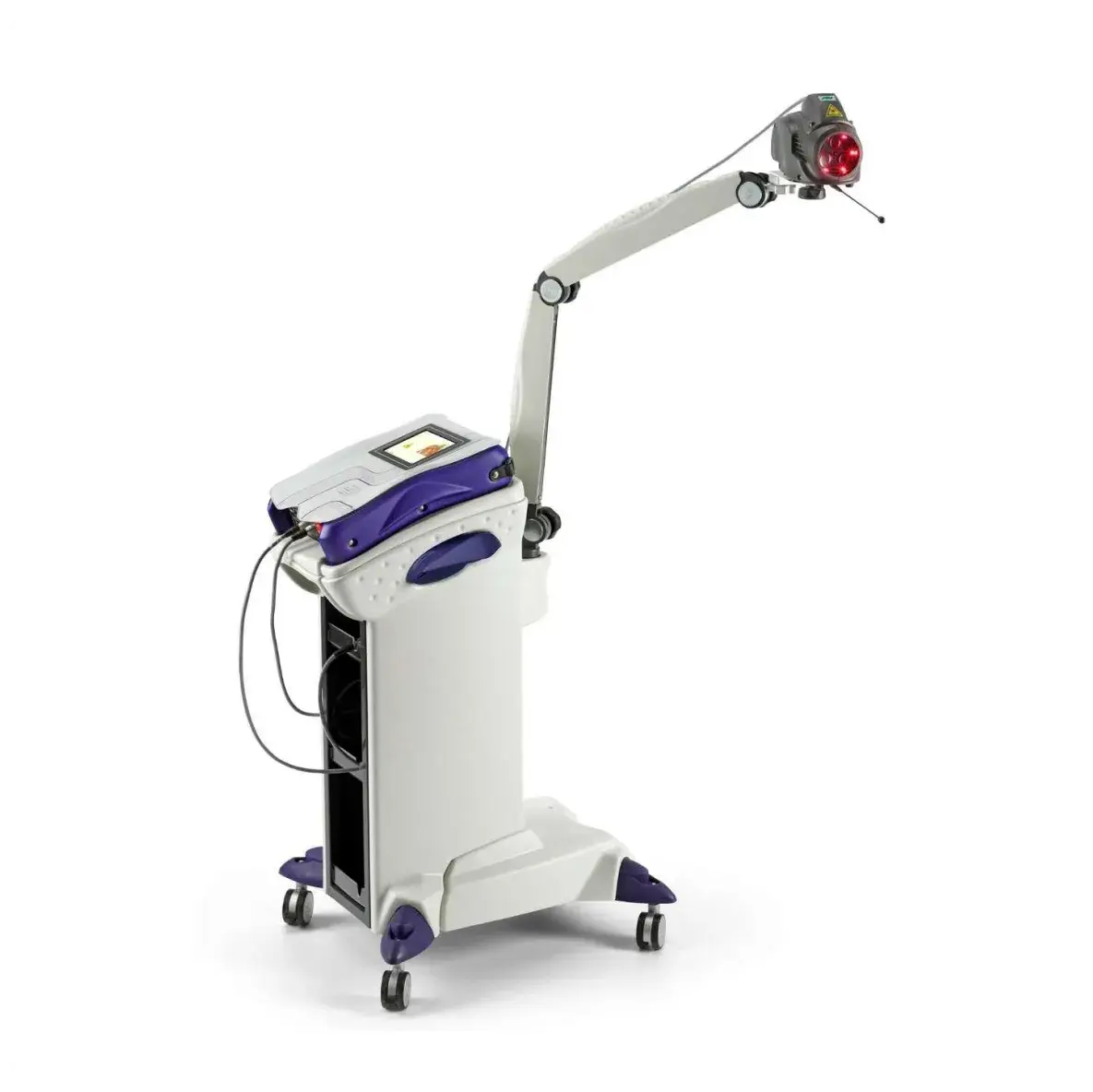 In-visit therapy
Cold laser therapy
Low-level laser therapy is used during visits to support healing in soft tissue. Muscles, ligaments, and inflamed joint tissue. It's painless, brief, and complements other treatments rather than replacing them.
- Used as part of the visit, no separate appointment needed
- Supports recovery in chronic muscular pain patterns
- Painless and tolerated by patients who can't take additional medication
Want to see what's actually going on in your jaw or airway?
Diagnostics are the first real step. Request a consultation and we'll walk you through what your specific case needs.