Snoring & quiet sleep
The noise is the signal. Custom oral orthotics designed to reduce snoring and restore restful sleep for you and your partner.

- 3×board-certified
DABCP · DABCDSM · DABDSM. The only triple board-certified provider in Charlotte.
- 27+years
in practice, focused on TMJ, orofacial pain, and dental sleep medicine.
- In-house3D CBCT
and home sleep testing. No outside imaging referral needed.
- Blakeneysouth Charlotte
6235 Blakeney Park Drive, Suite 101, Charlotte, NC. 704.220.1930
When snoring is worth addressing.
Occasional snoring is normal. Loud, chronic snoring is a sign worth paying attention to. Especially when paired with the symptoms below.
- Snoring that wakes a partner or is heard from another room
- Snoring most nights, not just when tired or congested
- Waking unrefreshed even after eight hours
- Daytime sleepiness or trouble concentrating
- Partner reporting pauses in your breathing
- Morning headaches or dry mouth
- Snoring that has worsened in the last few years
- Loud chronic snoring with breathing pauses needs a sleep study to rule out obstructive sleep apnea.
Treatment options for chronic snoring.
Most snoring patients we see do well with a properly fit oral orthotic. For some, it's part of a broader airway plan.
- 01
Custom oral orthotics
A precisely fit orthotic worn at night that gently positions the lower jaw forward, opening the airway and reducing the vibration that causes snoring.
- 02
Sleep-study coordination
If your snoring shows signs of being more than snoring, we'll help coordinate a home sleep study to rule out sleep apnea before treating.
- 03
Bite and TMJ assessment
We screen for jaw joint involvement before delivering an oral orthotic, since long-term wear can affect the bite.
- 04
Follow-up adjustments
Orthotic therapy works through small, incremental adjustments. We see patients back as needed to fine-tune comfort and effectiveness.
Treatment plans are built around what each patient actually needs. Not every option above is right for every person. The consultation and diagnostic visit are where we figure out which ones fit you.
What goes into a custom orthotic.
An over-the-counter snoring mouthpiece is not the same as a custom orthotic. The latter is designed around your specific bite and jaw using digital scans.
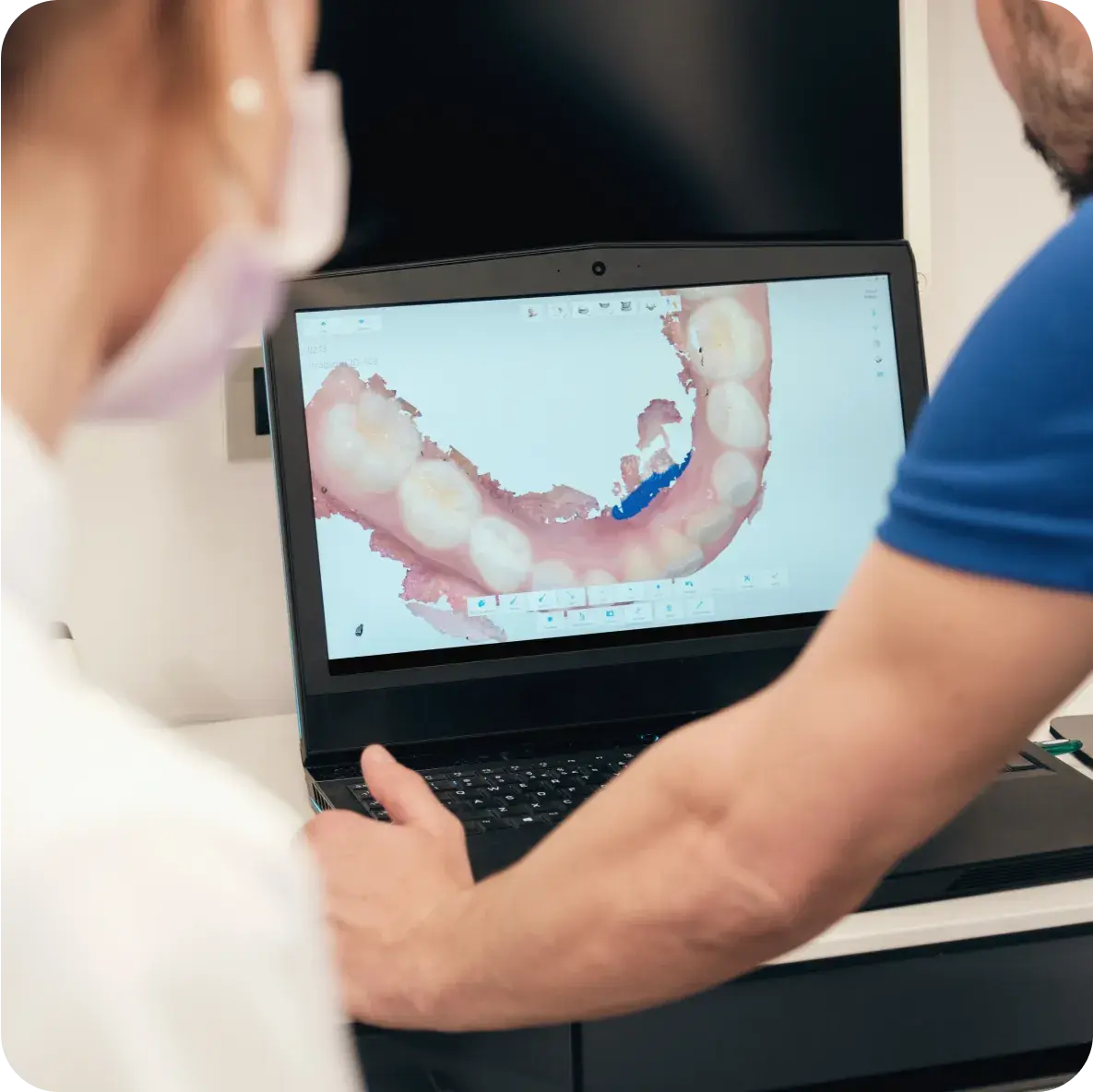
Intraoral 3D scanning
Digital impressions produce precise records for custom oral orthotics.
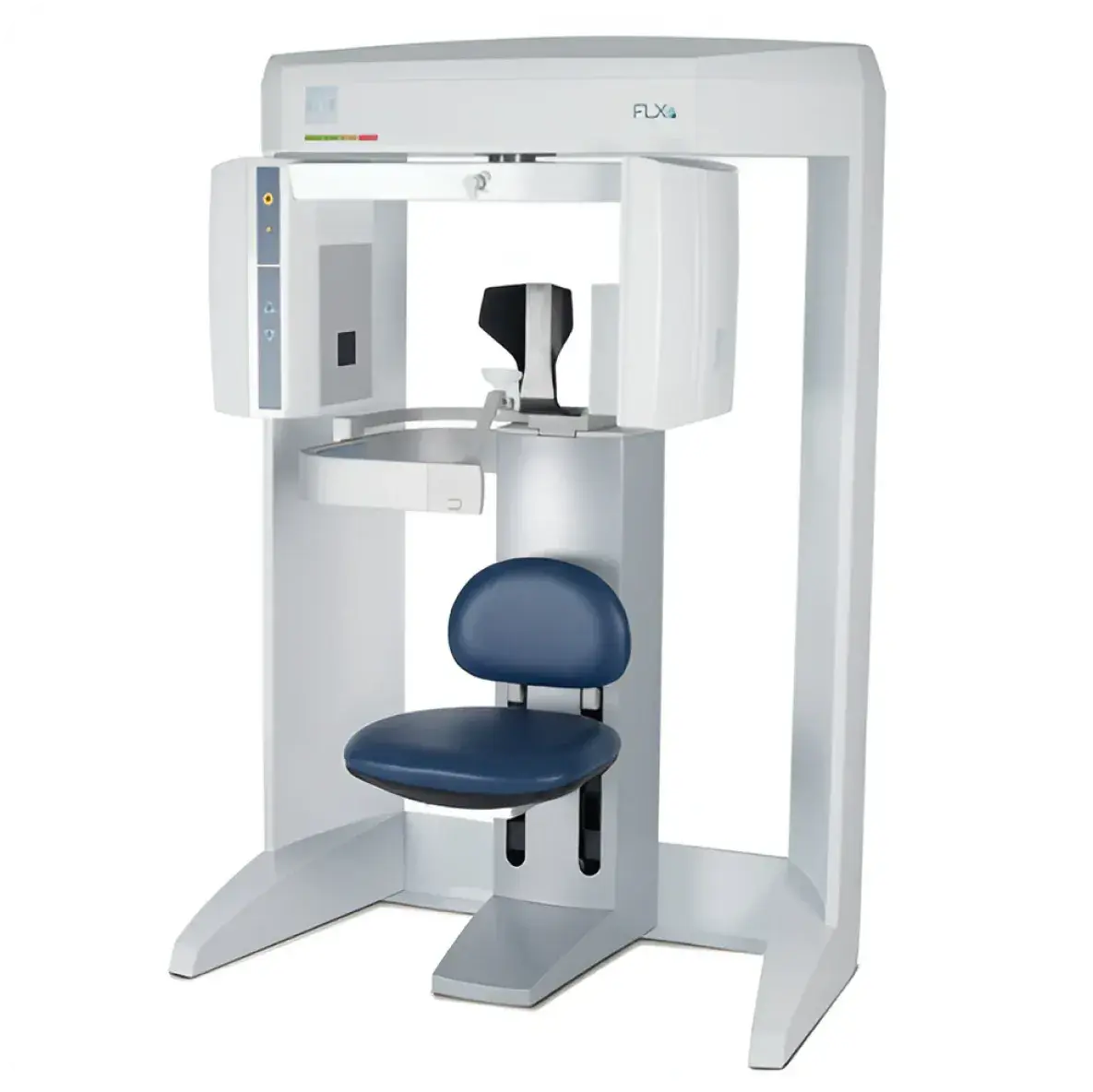
3D CBCT imaging
Cone-beam CT reveals jaw joints, airway, and bone in three dimensions. No outside referral needed.
Dr. Larson on snoring and airway.
Why not just an OTC mouthguard?
Is grinding related to apnea?
When snoring becomes apnea
Common questions
Online options are one-size-fits-most boil-and-bite trays. A custom orthotic is built from a 3D scan of your specific teeth and bite, and is adjustable in millimeter increments. The difference shows up in long-term comfort, effectiveness, and protection of the jaw joint.
Possibly. Many people with obstructive sleep apnea snore, though not everyone who snores has apnea. If your snoring is loud and chronic, or your partner has witnessed breathing pauses, a sleep study is the next step. We can help you understand the process.
Long-term oral orthotic use can cause small changes in how the teeth fit together. We discuss this with every patient before starting, screen for bite issues during follow-ups, and adjust the plan if needed.
Most patients adapt within a week or two. Some discomfort during the adjustment period is normal; persistent pain is not, and we'll work with you to fix it.
Ready to find out what's actually going on?
Tell us a little about what you're experiencing. Our team will be in touch to schedule a consultation.